


The Best International eSIM for Travelers in 2025
Many travelers are unaware that an international eSIM eliminates the need for a physical SIM card by downloading a digital profile directly onto a compatible device. This technology enables instant access to local mobile networks in numerous countries without swapping cards or visiting a store. Users activate a plan before departure and simply turn on the eSIM upon https://baztel.co/esim-plans/esim-china-mainland arrival to maintain connectivity, calls, and data abroad.
Beyond Borders: The Shift to Global Connectivity
The idea of “Beyond Borders: The Shift to Global Connectivity” is basically what makes an international eSIM so useful. Instead of hunting for local SIM cards or paying huge roaming fees, your phone just connects to local networks wherever you land, as if the border didn’t exist. This shift means you land with data already active, so you can call a ride or check a map instantly. Is it really that seamless? Yes—you pick a regional or global plan on an app, install the digital profile, and the phone handles the rest, treating multiple countries like a single area for connection.
What an Embedded SIM Means for Travelers
For travelers, an embedded SIM (eSIM) means ditching the frantic search for a physical SIM card the moment you land. Instead of hunting for a local shop or swapping out your home SIM, you simply scan a QR code or open an app to buy and activate a local data plan. This lets you avoid surprise roaming charges instantly, keeping your navigation and messaging alive from the plane’s touchdown. To get started internationally, here’s the simple sequence:
- Check if your phone supports eSIM (most newer models do).
- Buy a travel eSIM plan online for your destination.
- Install the profile via a QR code or app before you depart.
- Activate the plan when you arrive, keeping your original number on standby.
How Cross-Border Data Plans Revolutionize Roaming

Cross-border data plans through international eSIMs eliminate the shock of per-country roaming fees by bundling regional coverage into a single, affordable package. Instead of hunting for local SIMs or toggling airplane mode at each border, your phone seamlessly connects to networks across multiple countries as you travel. This approach provides true multi-country connectivity without juggling physical cards or paying excessive daily charges. You benefit from consistent data speeds and predictable costs from the moment you land, transforming fragmented roaming into a unified, continuous experience where your connection simply works wherever the journey takes you.
Comparing Physical SIMs to the New Digital Standard
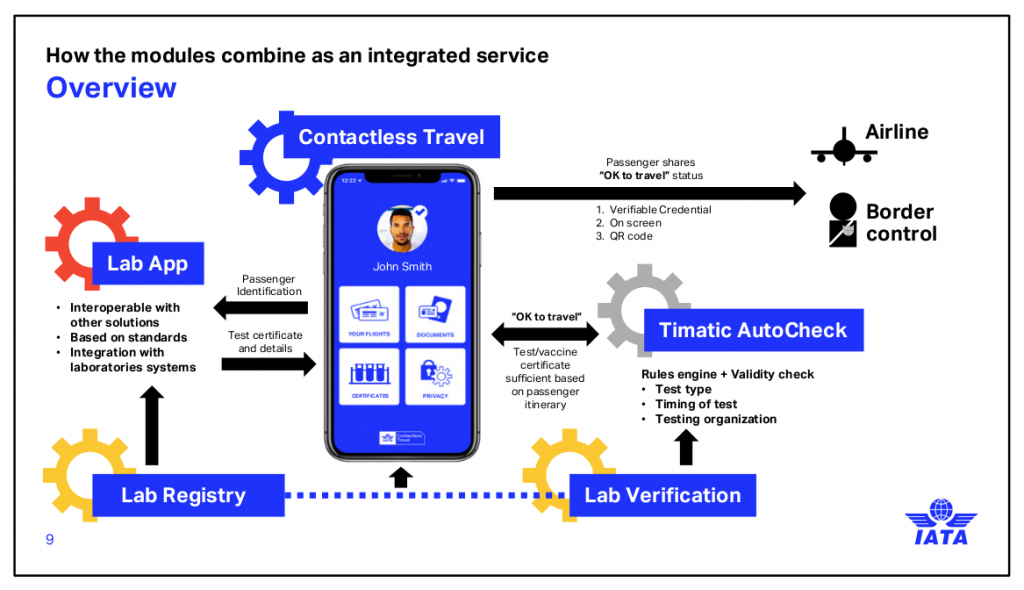
When comparing physical SIMs to the new digital standard, the practical advantage for travelers is stark. An international eSIM eliminates the need to hunt for a local kiosk or swap tiny cards while juggling luggage. Instead, you activate global data plans digitally before departure, instantly connecting upon landing. Physical SIMs lock you into one carrier per slot, whereas eSIMs let you store multiple profiles and switch without touching hardware. Q: Which is faster when arriving abroad? A: The digital standard wins—no searching for a store or keeping track of a fragile chip. eSIMs offer instant, remotely managed connectivity, while physical SIMs remain tied to physical logistics and potential loss.
Choosing the Right Plan for Frequent Flyers
For frequent flyers, choosing the right international eSIM plan pivots on data volume versus destination frequency. A global plan with a large high-speed data pool is ideal if you hop between continents monthly, but a regional plan (e.g., Europe-only) offers better value if you’re a serial commuter within one zone. Q: What if I visit Japan for a week, then Brazil the next month? A: Opt for a flexible, pay-as-you-go global eSIM with short-term data add-ons, avoiding a rigid monthly subscription that penalizes downtime. Always check if your preferred provider allows top-ups mid-trip, as static plans often leave you stranded with slow throttled speeds during critical layovers.
Key Factors: Coverage, Data Caps, and Validity Periods
When selecting an international eSIM for frequent flyers, coverage, data caps, and validity periods are the three pillars to evaluate. Coverage must be verified against your exact destination list, as some eSIMs rely on regional rather than truly global networks. Data caps dictate whether high-speed traffic is adequate for navigation and video calls, with many plans throttling speed after a daily allowance. Validity periods range from 7 to 30 days; choose a duration that spans your entire trip, not just flight segments. A clear sequence of steps ensures optimal use:
- Confirm coverage for each country on your itinerary using the provider’s network map.
- Assess if the data cap supports your stickiest usage, such as streaming or tethering.
- Align the validity period with your travel dates, including buffer days for return delays.
Strictly matching these factors prevents overpaying for unused data or facing connectivity gaps mid-journey.
Regional vs. Worldwide Packages: Which Fits Your Itinerary?
For a single-country trip, a regional eSIM package offers unbeatable value, covering Japan or France with localized data at a lower cost. However, if your itinerary zips from Germany to Italy into Greece, a regional plan (like Europe-wide) is your seamless, cost-effective middle ground. A worldwide package shines only for multi-continent journeys, like hopping from the UK to Brazil then Australia, where buying several regional plans becomes a hassle. Overpay for global coverage on a short trip to two nearby nations; instead, match the package scope exactly to your route’s geographic span.
Regional eSIMs excel for focused countries or a single continent; worldwide packages justify their premium only for truly intercontinental travels.
Top Providers and Their Standout Offerings
For frequent flyers, Airalo’s global plans stand out with country-stacker bundles, letting travelers combine regional data packs for multi-leg trips. Holafly offers unlimited data on specific single-country plans, ideal for heavy streamers. Nomad provides pay-as-you-go credit that never expires, perfect for sporadic travel. Ubigi delivers low-cost, high-speed data in Japan and Europe with easy top-ups.
Q: Which provider offers the best value for a frequent flyer visiting multiple continents?
A: Airalo’s Discover+ global plan provides a single credit balance usable across 130+ countries, eliminating the need to manage multiple eSIMs.
Activating and Managing a Digital SIM Abroad
Activating an international eSIM abroad is usually instant after purchase; just scan a QR code or download a profile from the provider’s app while connected to Wi-Fi. To manage it, switch your primary line off in settings to avoid roaming fees, but keep the eSIM data line on. You can top up or change plans directly from the provider’s app without hunting for a physical store. If connectivity drops, toggle airplane mode or manually select a local network in your eSIM settings. Always download the profile before you travel, as some carriers require a home network for initial activation. For multiple countries, choose a regional eSIM plan to automatically switch networks as you cross borders.
Step-by-Step Setup for iOS and Android Devices
To activate your international eSIM, begin by ensuring your device is unlocked. On iOS, navigate to Settings > Cellular > Add eSIM, then scan the QR code from your provider or enter details manually. For Android, go to Settings > Connections > SIM Manager > Add eSIM, following the same scanning process. Follow the on-device activation prompts to confirm the plan. After activation, set your digital SIM as the default for cellular data in the same settings menu. To avoid home-network charges, disable your primary physical SIM’s data roaming.
- Purchase an international eSIM plan from a compatible provider.
- Scan the QR code or manually input activation details on your device.
- Assign the eSIM for cellular data use.
- Deactivate roaming on your home SIM.
Troubleshooting Common Connection Issues Overseas
When connectivity fails, first toggle your device’s Airplane Mode for 60 seconds to force a network re-registration. If no signal returns, manually select your eSIM’s partnered local network from the carrier list, as auto-selection can lock onto a weaker roaming partner. For data but no bars, verify your APN settings match the eSIM provider’s exact specifications, often a simple “global” or “internet” entry. Should speeds remain sluggish, disable 5G and lock to LTE, which offers broader band compatibility overseas. Finally, check that your primary SIM’s data roaming is off to prevent unintentional billing conflicts.
Keeping Your Primary Number Active While Using a Data Line
When you swap in an international eSIM for data, your primary number doesn’t have to go dark. Most modern phones let you keep your home SIM active for calls and texts while routing all data through the eSIM line—just set the eSIM as your default for mobile data in settings. This avoids roaming charges on your primary number for data, but you might still pay for received SMS or calls. For a truly seamless setup, use **Wi-Fi calling over the data eSIM** to stay reachable on your home number without extra fees.
Q: Will my primary number still receive two-factor authentication (2FA) texts while I’m using a data-only eSIM?
A: Yes, as long as your primary SIM is active and has signal—just remember that incoming SMS may incur standard roaming rates from your home carrier.
Cost Efficiency and Hidden Fees to Watch For
For international eSIMs, cost efficiency comes from buying regional or global plans over single-country ones, but hidden fees often lurk in “fair usage” limits—after you hit a data cap, speeds get throttled to near-zero, forcing you to spend on a top-up. Always check if the advertised “unlimited” plan includes a hard throttle after, say, 30GB, and whether they charge a reactivation fee if your plan expires mid-trip.
Some providers also tack on a service fee for purchasing through certain apps, so compare the total checkout price, not just the plan’s banner cost.
Finally, watch for “connection” or “sim activation” fees that aren’t listed upfront—these can turn a cheap 10-day pass into a costly mistake.
Why Unlimited Data Plans Often Fall Short
Unlimited international eSIM plans often fall short due to hidden throttling policies that activate after you exceed a fair usage threshold. Providers advertise unlimited data but cap speeds to 128 kbps or lower, rendering navigation and streaming useless. This makes them cost-inefficient for heavy users, who pay a premium for restrictions that aren’t upfront. Meanwhile, a tiered plan with a generous allowance avoids sudden slowdowns, giving predictable performance. Always check the fine print for speed limits after specific GB usage; otherwise, you pay for “unlimited” but get unusably slow connectivity abroad.
Pay-As-You-Go vs. Prepaid Bundles for Short Stays
For short stays, prepaid bundles tailored to duration almost always beat Pay-As-You-Go because per-MB rates are locked in, avoiding shock bills. Pay-As-You-Go sounds flexible but often carries high overage charges the moment you stray from core apps. A 7-day bundle for $12, for example, beats paying $0.50 per MB; one rogue map download could cost more than the bundle itself.
Q: Should I choose Pay-As-You-Go or a prepaid bundle for a 5-day trip?
A: Choose a prepaid bundle—its fixed price for your exact stay removes guesswork and hidden fees, while Pay-As-You-Go’s variable costs often exceed the bundle’s total.
Avoiding Surprise Charges in Multi-Country Trips
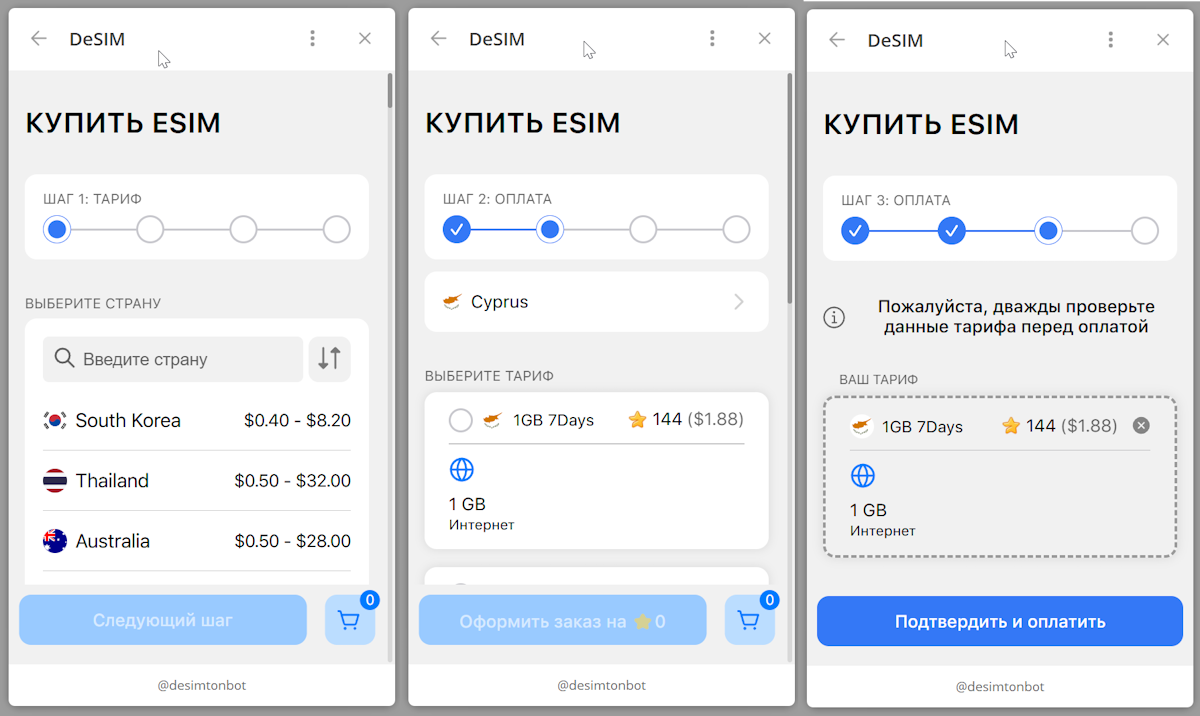
To avoid surprise charges on multi-country trips, carefully review your eSIM’s zone map before departure, as a single regional plan may not include all border nations. Auto-connect settings must be disabled for peripheral countries not in your plan, or switch to a local eSIM for those stops. Even a momentary handshake with an unsubscribed network can trigger a pay-per-use charge.
- Pre-download offline maps and messaging apps to avoid roaming triggers in between zones.
- Set a low data cap alert via your eSIM app to catch unexpected usage immediately.
- Verify whether your eSIM counts each nation as a separate “trip day” or permits shared data across your entire itinerary.
Device Compatibility and eSIM Restrictions
For an international eSIM to function, your device must be carrier-unlocked and support eSIM technology, typically iPhone XS or newer, Google Pixel 3 or newer, and recent Samsung Galaxy S/Note/Z series. Device Compatibility fails immediately with older hardware or carrier-locked phones, even if the eSIM profile is installed. A critical restriction is that many Chinese-market phones lack eSIM hardware entirely, while certain US models may lock the feature to the original carrier. Before purchasing an international eSIM, verify your phone’s IMEI supports eSIM profiles and that no software block exists for using a foreign network profile alongside your primary physical SIM.
Checking Your Phone’s Support for Remote Provisioning
Before buying an international eSIM, you must verify your phone supports remote eSIM provisioning. This isn’t just about eSIM hardware; your device needs to download a profile directly from a provider’s app—a feature often locked by carriers on older or region-locked models. Check your phone’s IMEI against the provider’s compatibility list or navigate to *Settings > Connections > SIM Manager* for an ‘Add eSIM’ option.
Q: How can I confirm my phone supports remote provisioning?
A: Go to your phone dialer and enter *#*#4636#*#*; if the eSIM provisioning menu appears, your device is ready. Alternatively, scan a provider’s QR code—if it triggers a prompt to install, you’re set.
Carrier Locked vs. Unlocked Devices: What Works?
For international eSIM use, an unlocked device is essential. Carrier-locked phones restrict you to a single provider’s network, so your eSIM from another carrier abroad won’t activate. Even if an eSIM profile downloads, it will fail to register until the lock is removed. Before traveling, check your phone’s carrier status; if it’s locked, request an unlock from your current carrier. Most will do it for free once your contract ends or device is paid off. Without this step, you’re stuck using their often-expensive roaming plans instead of flexible international eSIMs.
Older Models and Workarounds for Unsupported Handsets
For older phones lacking native eSIM, a physical workaround exists: purchasing a programmable eSIM adapter card that slots into the SIM tray. This legacy device eSIM conversion lets a vintage handset download and switch between international profiles just like a modern flagship. Another method involves tethering your unsupported phone to a separate, eSIM-capable hotspot device. You can also use a local physical SIM for one country while loading a global eSIM via an adapter for seamless backup. These hacks restore connectivity without forcing a costly upgrade.
Aging handsets can still access international eSIM networks using physical adapters or external hotspots, bypassing native hardware restrictions.
Security and Privacy Across Networks
International eSIMs enhance security by isolating your primary number from foreign networks, preventing local carrier data exposure and SIM-swap attacks against your home line. They encrypt profile downloads and remote provisioning, so your operator cannot track your real-time location across borders. The eSIM’s embedded chip is tamper-resistant, making physical cloning impossible compared to a removable card. Q: Can the foreign network see my real phone number? No, you control which profile is active; the visited carrier only sees the temporary international eSIM’s identity, not your personal number. This architecture ensures your home carrier’s authentication keys and call logs remain private, even when roaming.
Encryption Standards When Accessing Foreign Carriers
When your international eSIM connects to a foreign carrier, your data is protected by tiered encryption handshakes between the eSIM’s secure element and the visited network’s authentication servers. AES-256 encrypts the device credentials during the initial attach procedure, preventing SIM cloning over radio links. Foreign carriers may downgrade to AES-128 or weaker ciphers for voice channels, but eSIM profiles enforce a minimum acceptable standard—forcing the network to reject connections below that threshold. Your actual internet traffic then receives end-to-end TLS encryption independent of the carrier’s link-layer cipher.
| Aspect | Standard Practice |
|---|---|
| Authentication tunnel | AES-256 (TLS 1.3) |
| Voice encryption fallback | AES-128 minimum |
| Data session protection | User-controlled (e.g., VPN) |
Risks of Public Wi-Fi vs. Dedicated Data Lines
Using public Wi-Fi for international eSIM data exposes travelers to risks like man-in-the-middle attacks and spoofed hotspots that can intercept credentials, while dedicated cellular data lines encrypt traffic end-to-end between the device and network. Public Wi-Fi introduces shared network vulnerabilities absent from private data lines, making eSIM’s direct carrier connection inherently more secure for tasks like banking. Even password-protected Wi-Fi can be compromised by a rogue access point in the same location.
- Public Wi-Fi requires manual VPN setup for encryption; eSIM’s dedicated line uses carrier-grade encryption by default.
- Unsecured Wi-Fi allows packet sniffing; dedicated lines avoid local eavesdropping entirely.
- Session hijacking on Wi-Fi is common; eSIM’s persistent authenticated link resists such attacks.
- Fake “free Wi-Fi” portals can phish credentials; dedicated data lines have no such login interface.
Best Practices for Safe Browsing While Roaming
When roaming with an international eSIM, secure Wi-Fi avoidance is your first defense. Never connect to hotel or airport networks without a VPN, as these are prime hunting grounds for data interception. Immediately disable automatic network joining on your device to prevent sneaky connections. Stick to HTTPS websites for any sensitive activity—checking banking, for example—and turn off Bluetooth when not in use to close another potential leak. Treat public USB charging ports with extreme caution, relying instead on your own power bank. Finally, log out of all apps and sessions before switching eSIMs to prevent residual data exposure.
Future Trends in Cross-Border Mobile Access

Future cross-border mobile access will likely focus on seamless, automatic network switching without any manual profile downloads. International eSIMs will evolve to prioritize the strongest local signal at all times, making dead zones a thing of the past. You’ll see real-time adaptation to your travel pattern, like pre-loading data for known routes. The real game-changer is peer-to-peer sharing of unused data across your travel group. It’s not just about connecting abroad anymore, but about your device intelligently choosing the best path for that connection.
Satellite Integration and Remote Area Coverage
Satellite integration transforms international eSIM capability by enabling direct handset-to-satellite connectivity, eliminating reliance on terrestrial towers in remote zones. This allows seamless coverage across oceans, deserts, and mountain ranges where no local cell networks exist. Users can activate a satellite-based eSIM profile for essential messaging and location data, with the device intelligently switching between ground networks and direct satellite connectivity based on signal availability. Practical implementation now supports SOS and two-way texting, with voice and higher-bandwidth data access expanding as low-earth-orbit constellations mature, ensuring persistent mobile access anywhere on the globe.
How 5G Networks Are Reshaping Nomadic Connectivity
5G networks are fundamentally transforming nomadic connectivity by enabling eSIM profiles to seamlessly switch between ultra-low-latency and high-bandwidth slices optimized for specific cross-border tasks. Travelers now maintain stable 4K video calls or cloud-gaming sessions across multiple countries without buffering, as 5G’s network slicing dynamically allocates resources per application. The shift from 4G’s best-effort delivery to 5G’s predictable performance means a digital nomad editing a remote server file in Japan feels instant responsiveness while connected through a local eSIM network in Germany. This eliminates the previous trade-off between roaming convenience and reliable speed for data-intensive workflows abroad. 5G eSIM multi-region slicing ensures latency-sensitive tools—like real-time collaboration platforms or VR conferencing—operate as if locally hosted, regardless of the user’s physical border crossing.
5G networks make nomadic connectivity feel geographically invisible, where eSIM users experience consistent, application-aware performance across countries rather than variable mobile access.
The Role of IoT and Multi-Device Plans in Global Travel
International eSIMs now enable travelers to manage not just their smartphone, but a personal ecosystem of connected devices through unified multi-device plans. Multi-device eSIM coordination allows a single plan to simultaneously provision data for a tablet, a smartwatch, and a laptop, eliminating the need for separate local SIMs per gadget. For IoT in travel, this extends to devices like portable Wi-Fi routers, luggage trackers, and even automotive telematics for rental cars, all sharing a single international data pool. The logistical friction vanishes when each device automatically authenticates to local networks without manual intervention.
- A single eSIM profile on a smartwatch accesses the same cellular data plan as your phone, enabling untethered runs abroad.
- IoT luggage tags with embedded eSIMs transmit real-time location data without draining your phone’s battery.
- Rental car eSIMs handle navigation and emergency connectivity, billing directly to a shared travel plan.


